Building Through the Heat: How Construction Projects Can Prepare for British Heatwaves
Hot weather is not always the first thing people associate with construction challenges in the UK. Rain, frost, and winter conditions tend to get more attention, but British heatwaves can create just as many issues for construction projects.
High temperatures can affect site safety, working conditions, materials, sequencing, and productivity. For contractors and project managers, the key is not simply reacting when temperatures rise, but planning ahead so that work can continue safely and efficiently.
As the UK experiences more frequent periods of extreme heat, summer construction planning is becoming an increasingly important part of project delivery.
Why Heatwaves Matter on Construction Sites
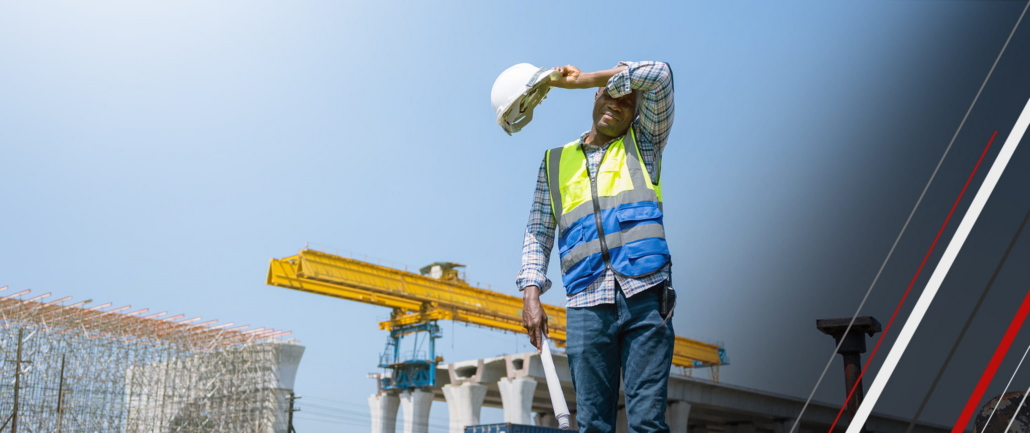
Construction work is physically demanding, often involving outdoor labour, PPE, machinery, lifting, and exposure to direct sunlight. During hot weather, this can increase the risk of fatigue, dehydration, heat stress, and reduced concentration.
The Health and Safety Executive advises employers to manage heat stress by limiting exposure, providing rest breaks, offering cooler rest areas, and adjusting work rates where needed. It also recommends specific measures for outdoor work, including rescheduling tasks to cooler times of day, providing shade, and ensuring access to cool drinking water.
For construction teams, this means heatwave planning should sit alongside wider health and safety procedures rather than being treated as a one-off summer concern.
Programme Planning Needs to Allow for Heat
Hot weather can affect more than worker comfort. It can also influence productivity, working hours, delivery schedules, and the sequence of trades on site.
Tasks that are practical in mild conditions may become harder during peak afternoon heat. External works, lifting operations, and labour-intensive activities may need to be adjusted to protect workers and maintain quality. In some cases, starting earlier, shifting workloads, or resequencing tasks can help keep progress moving without unnecessary risk.
This kind of seasonal planning is similar to the approach discussed in Building Through the Cold: How We Keep Construction Moving in Winter and Planning Ahead: How to Prepare Construction Projects for Winter. While the weather conditions are different, the principle is the same: projects run more smoothly when environmental risks are planned for early.
Materials Can Behave Differently in Hot Weather
Heat can affect construction materials in ways that are easy to underestimate. Products may dry faster, cure differently, become harder to work with, or require more careful storage.
This is particularly relevant for finishing trades and envelope works where temperature, moisture, and surface preparation matter. Activities involving screeding, plastering, rendering, and certain adhesives or coatings may need closer attention during hot periods.
For example, rapid drying can affect finish quality, while direct sunlight or hot substrates may make some materials more difficult to apply consistently. Good planning helps ensure materials are stored correctly, applied in suitable conditions, and protected where necessary.
This also supports the broader quality considerations explored in The Advantages of Liquid Screed in Modern Construction.
Interior Works Are Not Immune to Heat
Heatwave planning is not only relevant to external works. Internal environments can also become uncomfortable, particularly in partially completed buildings where ventilation, cooling, or permanent systems are not yet fully operational.
Trades involved in dry lining, suspended ceilings, solid partitioning, and interior fit out may be working in enclosed spaces where heat builds throughout the day. This can affect productivity, worker wellbeing, and sequencing.
The HSE notes that employers should assess workplace temperature risks based on the working environment, work activity, and conditions, with reasonable temperatures required for indoor areas of construction sites under CDM regulations.
Planning ventilation, access to rest areas, and safe working patterns can make a significant difference.
Heat Can Increase Pressure on Site Coordination
During heatwaves, coordination becomes especially important. Deliveries may need to arrive earlier in the day, materials may need shaded storage, and certain tasks may need to be prioritised before temperatures peak.
Poor coordination can quickly create delays. If materials arrive late, if access is restricted, or if one trade is unable to complete work in suitable conditions, the knock-on effect can affect the wider programme.
This is where early planning across projects, secondary framing system works, façade packages, and finishing trades helps maintain momentum. It also reflects the wider planning themes covered in Interior Fit-Out in 2026: What Contractors Need to Plan for Early On.
Monitoring Forecasts and Heat Alerts Helps Teams Prepare
Heatwaves are not always sudden. Forecasts, weather warnings, and heat-health alerts can give construction teams time to adjust plans before conditions become difficult.
The Met Office defines a heatwave as an extended period of hot weather relative to expected conditions for the area and time of year, and the UKHSA / Met Office Heat-Health Alert Service provides early warning when high temperatures may affect health and wellbeing.
For project teams, monitoring these alerts can support practical decisions around working hours, site briefings, welfare arrangements, and material planning.
Summer Planning Supports Safer, Smoother Delivery
British heatwaves may not last all summer, but when they occur, they can place real pressure on construction sites. The most effective response is usually straightforward: plan earlier, communicate clearly, and make sensible adjustments before problems build.
This does not mean stopping work unnecessarily. It means understanding how heat affects people, materials, and programme sequencing so that work can continue safely and to the right standard.
Hot weather planning should be treated as part of responsible project management, not simply a reaction to a warm week.
Conclusion
The right render system can make a meaningful difference to both building performance and appearance. It protects the external envelope, supports durability, contributes to thermal considerations, and helps create a high-quality finish.
By considering rendering early and coordinating it with the wider construction programme, project teams can reduce avoidable issues and achieve better long-term outcomes.
To learn more or discuss support for your next project, visit our Broadsword Group services page or contact us to arrange a consultation with one of our experts.