Mushroom and fungus in construction growing on tree bark

Could Fungi Shape the Future of Construction Materials?

The construction industry continues to face growing pressure to reduce environmental impact, particularly as material production remains a significant source of global carbon emissions. Conventional materials such as concrete and steel offer durability and reliability, but their manufacturing processes are inherently energy-intensive.

In response, researchers and material innovators are exploring alternatives derived from natural systems. One of the more intriguing developments involves fungal-based materials, specifically mycelium — the root-like network structure of fungi.

Why Mycelium Has Attracted Attention

Mycelium functions as a natural binding agent. When cultivated under controlled conditions on organic substrates, it can form lightweight composite materials requiring far less energy to produce than many traditional construction products.

Because these materials grow rather than being manufactured through high-temperature processes, they are often discussed in the context of lower embodied carbon. Organisations such as the UK Green Building Council continue to emphasise the importance of material innovation in reducing lifecycle emissions.

This shift reflects a broader industry conversation around sustainability rather than a single technological breakthrough.

Emerging Innovators and the Commercialisation of Mycelium Technologies

While mycelium-based materials are still developing within mainstream construction, several specialist innovators are working to move fungal technologies from laboratory research into commercially viable applications. Companies such as Mycocycle have attracted industry attention for exploring how fungal processes might be used to transform waste streams into reusable material inputs.

Rather than positioning fungi purely as a replacement for conventional materials, this line of research often focuses on resource efficiency and circularity. The concept is less about growing entire buildings and more about using biological systems to repurpose materials that would otherwise contribute to landfill or emissions-heavy disposal methods.

What makes developments in this area noteworthy is the broader shift they represent. Construction and manufacturing industries have historically relied on extraction and high-energy processing. Fungal technologies, by contrast, suggest alternative production pathways grounded in biological growth and regeneration.

As with many emerging material innovations, practical adoption will depend on performance validation, scalability, and regulatory alignment. Even so, these advancements illustrate how unconventional ideas are increasingly influencing conversations around sustainability and long-term material strategy.

Environmental Promise With Realistic Expectations

Fungal-derived composites offer several theoretical environmental advantages. They can be produced from renewable feedstocks, utilise waste streams, and naturally decompose at end of life. Compared with extraction-heavy materials, this represents a fundamentally different production model.

Research bodies and regulatory organisations, including the British Standards Institution, highlight how emerging materials must balance environmental benefits with long-term performance requirements.

While promising, mycelium materials remain largely associated with insulation, panelling, and experimental applications rather than structural systems.

Practical Constraints Remain Central

Despite growing interest, mycelium composites are not yet viable replacements for core structural materials. Durability, moisture sensitivity, and strength limitations remain active areas of research.

This reality mirrors many emerging construction technologies. Innovations often progress gradually as testing, certification, and standards evolve — themes explored in Understanding Building Regulations in the UK: What You Need to Know.

Why This Matters for Modern Construction Projects

Even if fungal materials remain niche, their development signals a wider transformation in construction thinking. Growth-based and regenerative resources represent a notable departure from traditional extraction-driven models.

For contractors engaged in interior fit out, refurbishment, and finishing trades such as plastering or dry lining, awareness of emerging materials is increasingly relevant. Sustainability considerations now influence design decisions, client expectations, and long-term asset performance.

Broader industry shifts affecting workplace environments are discussed in Top 10 Trends Shaping Office Fit Outs in 2025, while evolving delivery models are explored in The Future of Prefabrication in Construction.

Innovation Often Emerges Alongside Practical Methods

Material innovation rarely replaces established techniques overnight. Instead, new approaches develop alongside proven systems such as screeding, raised access flooring, and acoustic solutions, each of which continues to play a critical role in building performance.

Cold-weather performance challenges, for example, remain a persistent consideration regardless of material choice — a topic covered in Building Through the Cold: How We Keep Construction Moving in Winter and Planning Ahead: How to Prepare Construction Projects for Winter.

Conclusion

Mycelium-based materials are unlikely to displace conventional construction materials in the immediate future, but their emergence highlights an important industry trajectory. Sustainable construction increasingly depends on innovation, adaptability, and openness to alternative solutions.

For businesses operating within evolving regulatory, environmental, and performance frameworks, understanding these developments is becoming as important as mastering established methods.

To learn more or discuss support for your next project, visit our Broadsword Group services page or contact us to arrange a consultation with one of our experts.

Planning Ahead: How to Prepare Construction Projects for Winter

As the days grow shorter and temperatures begin to drop, construction projects across the UK face new challenges. Cold, wet, and unpredictable weather can have a major impact on everything from screeding and plastering to fire protection works and interior fit-outs. Proper preparation at this time of year isn’t just a good idea it’s essential.

In this post, we look at the practical steps construction professionals can take to keep projects running smoothly through the winter months.

Understand the Impact of Weather on Your Programme

Rain, frost, and low temperatures can cause delays and compromise quality if not managed properly. Concrete and screed, for instance, need specific temperature ranges to cure correctly, while high humidity can affect finishes and adhesives.

Before winter sets in, review your programme to identify weather-sensitive activities. Allow contingency for curing, drying, and delivery delays, and sequence internal and external works accordingly.

If you’re planning screeding or finishing works, our team provides specialist screeding services suited to colder conditions, ensuring consistent quality all year round.

Secure and Weatherproof Your Site

Winter weather can be tough on exposed materials and unfinished structures. Temporary roofing, sheeting, and enclosure systems can make a big difference in keeping work areas dry and protected.

Pay particular attention to:

  • Roof and cladding details — ensure they’re sealed against driving rain.

  • Openings — use doors and windows where possible to close off the building envelope early.

  • Ground conditions — improve access routes and drainage to prevent waterlogging or freezing hazards.

A weatherproof site is safer, more efficient, and less costly to maintain during the colder months.

Prioritise Health and Safety

Shorter daylight hours and wet or icy conditions create extra risks for site workers. Make sure lighting is adequate across all working areas and walkways. Review PPE requirements, particularly for warmth and grip, and brief teams on cold-weather protocols.

Heaters, drying rooms, and welfare facilities should be ready and maintained not only for comfort but to keep productivity steady through the season.

To maintain compliance in occupied or shared spaces, our fire protection services ensure safety measures remain fully functional, even during ongoing winter works.

Manage Deliveries and Material Storage

Cold temperatures can make certain materials more difficult to handle. Paints, adhesives, and sealants can all be affected by frost, while screed and plaster need stable temperatures to cure correctly.

Plan ahead by coordinating delivery schedules and providing heated or insulated storage where possible. Clear signage and covered loading areas can help prevent weather-related damage and delays.

Keep Communication Open

Winter conditions are unpredictable, and even with the best planning, disruption can occur. Regular communication between site teams, suppliers, and clients is crucial to managing expectations and avoiding costly misunderstandings.

A quick review meeting each week can make a big difference, allowing adjustments to be made early if bad weather or material delays arise.

Plan Interior Works Efficiently

Once the building envelope is secure, the focus shifts to interior fit-out, decorating, and finishing. These tasks are less affected by weather but still rely on controlled temperature and humidity levels for best results.

If you’re progressing to interior phases during winter, our fit-out services can help coordinate trades efficiently, keeping your programme on schedule even when outdoor conditions slow down.

Final Thoughts

Preparing for winter in construction isn’t just about bracing for the cold — it’s about smart planning and proactive management. By anticipating seasonal challenges and adjusting programmes early, you can avoid costly delays, maintain quality, and keep your workforce safe and productive.

At Broadsword, we understand the pressures that come with winter working. Our teams provide specialist construction, screeding, fire protection, and interior fit-out services that keep projects moving, whatever the weather. To learn more or discuss support for your next project, visit our Broadsword Group services page or contact us to arrange a consultation with one of our experts.

Southlands

New project alert!

We’re pleased to announce another successful tender for Broadsword Projects LTD. Our work will begin in the coming weeks on the Southlands hospital extension project with Kier construction.

feltham construction

Project update – Feltham Construction

Works are progressing well on the Feltham Construction Site in Newbury. Broadsword Screeding LTD are undertaking the installation of 700m2 of Cellecta Screedboard 28.


ealing

Osborne expansion of Greenford High School in Ealing

We are delighted to report that Broadsword Screeding has been successful in securing the contract for works on the Osborne expansion of Greenford High School in Ealing.

As approved installers of Cellecta Screedboard we will be undertaking the installation works over two floors and 2600m2 of the high school on this £9.7 million project.

bitterne

The Riverdene Place retirement living development in Bitterne

We are delighted to announce another successful tender for Broadsword Residential LTD!

The Riverdene Place retirement living development in Bitterne will comprise of 36 one bedroom and 14 two bedroom apartments and will also feature a communal lounge for the residents to enjoy! Our work began on the McCarthy & Stone site in December 2017 with practical completion expected in early summer 2018.


Riverdene

mccarthy

McCarthy & Stone

We are pleased to announce another successful tender for Broadsword Residential LTD!

Our work began in December 17 on the McCarthy & Stone 3 storey accommodation building for the elderly (29 two bedroom and 27 one bedroom apartments) with associated communal facilities. Our scope of works includes Dry Lining and Floor Screeding.

mcCarthy

decorean

Project Update – Decorean

Broadsword are not far from completion on the £27 million Decorean development to covert a business park to residential units.

This extensive project is one of the largest office to residential conversions to date and consists of 107, one and two bedroom apartments! Our scope of work has included Partitions, ceilings, smoke shafts and floor screeding. Works are set to complete early in the new year.


orbis tech

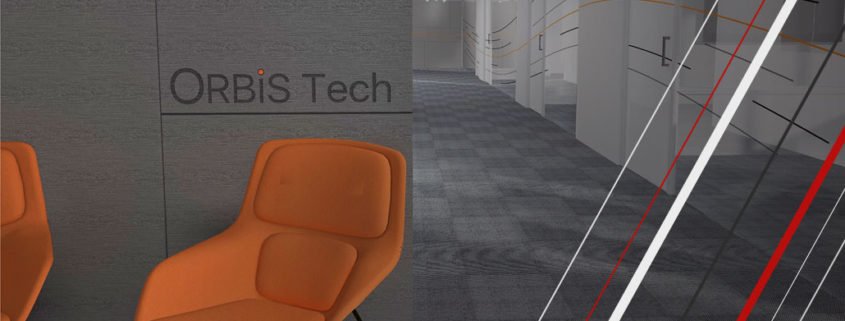
Broadsword and ORBiS Tech

Works are progressing well on our full office fit out for ORBiS Tech, who develop uniquely scalable software solutions for the hospitality, fuel and retail markets.

Broadsword Projects LTD are undertaking the full scope of works from design to completion.
Works undertaken will be:

Full design and specification

Artwork manifestation and graphics

Glazed & solid demountable partitions

Joinery including tea point/full height doors/breakfast bars
Artwork manifestation and graphics
Flooring including carpet & vinyl
Suspended ceilings
Fire alarm relocations
Furniture
Data & AV
Decorations

We look forward to bringing you more pictures as the project moves towards completion.

orbis tech


Broadsword Office

A look back to 2014…. Broadsword relocate to newly refurbished HQ

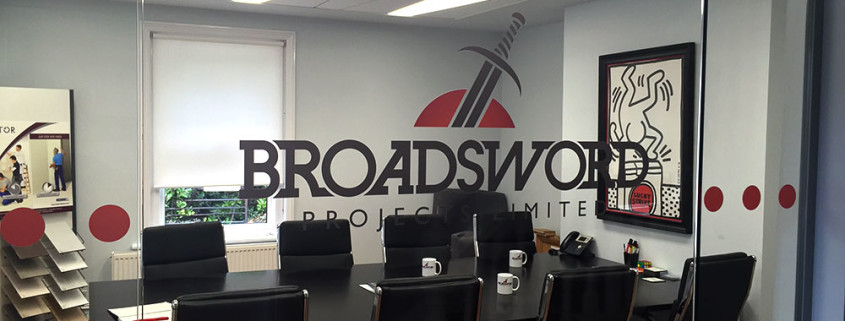
After completing a full refurbishment of a newly acquired office building the broadsword team were finally able to move into their new office space in early 2014.

The new facility provides us with a new meeting room inc glazed entrance, seating for 8 and presentation capabilities, a breakout area and large kitchen to provide all staff with an area to relax and dine. A fully functioning gym with changing rooms including his/hers showers and drying room – for the more active members of the team! male and female toilets and six new multipurpose offices complete with glazed partitioning and acoustic ceilings/ wall absorbers and ceilings rafts provided by our friends at OWA Ceilings.

We are now fully settled in and making the most of the new space…