Why Fire Protection Should Be Considered Early in Commercial Building Projects
Fire protection is one of those areas that can cause major issues if it is considered too late in a commercial building project. While it may not always be the most visible part of a scheme, it plays a critical role in safety, compliance, and long-term building performance.
For contractors, developers, and project managers, early planning can help avoid delays, redesigns, and costly remedial work. It also ensures that fire safety measures are properly integrated with the wider construction programme, rather than treated as an afterthought.
Fire Protection Is Part of the Building Strategy
Effective fire protection is not just about installing products near the end of a project. It needs to be considered alongside design, layout, materials, services, and construction sequencing.
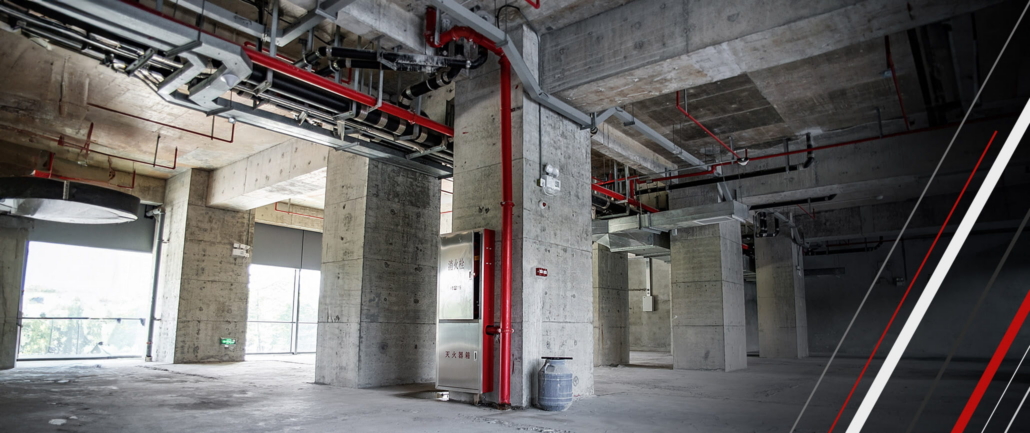
In commercial environments, areas such as compartmentation, service penetrations, ceilings, partitions, and escape routes all influence how a building performs in the event of a fire. This is why early coordination with passive fire protection specialists is so important.
Government guidance under Approved Document B sets out fire safety guidance for building regulations in England, covering areas such as means of warning and escape, internal fire spread, external fire spread, and access for fire services.
Late Fire Protection Planning Can Create Avoidable Delays
When fire protection is left until later stages, problems often appear after other trades have already completed their work. This can lead to access issues, rework, or confusion around responsibility.
For example, service penetrations through walls, floors, or ceilings must be properly sealed to maintain compartmentation. If these requirements are not coordinated early, teams may need to revisit completed areas, causing disruption to the programme.
This is particularly relevant for works involving firestopping and air sealing, dry lining, suspended ceilings, and solid partitioning, where sequencing and detailing can affect both compliance and finish quality.
The importance of avoiding common oversights is explored further in Top 7 Fire Protection Mistakes to Avoid in Commercial Buildings.
Fire Safety Must Work With the Wider Fit-Out
Commercial buildings often involve multiple overlapping systems. Lighting, mechanical services, data cabling, glazing, partitions, and ceiling systems all need to work together within the final design.
That means fire protection should be coordinated with the wider interior fit out from the outset. If not, conflicts can appear between design intent, service routes, and fire performance requirements.
For example, changes to layouts or access routes may affect compartmentation or escape strategy. Similarly, alterations involving glazed partitioning or acoustic solutions may need to be reviewed in relation to wider fire safety requirements.
This is one reason early planning is becoming increasingly important in modern commercial spaces, as discussed in Interior Fit-Out in 2026: What Contractors Need to Plan For Early On.
Compliance Is Easier When It Is Built Into the Programme
Fire protection is closely linked to compliance, but compliance is much easier to manage when it is planned into the project from the beginning.
The Health and Safety Executive notes that fire safety in construction includes eliminating fire risks during design where practicable, preventing fires from starting, and ensuring people’s safety if they do.
This means fire protection should not be viewed as a final-stage checklist. It should be part of a wider process involving design review, installation quality, inspection, and documentation.
For commercial projects, this can also support smoother handover, particularly where building control approval, client sign-off, or future maintenance records are required.
Broader compliance considerations are also covered in Understanding Building Regulations in the UK: What You Need to Know.
Early Planning Supports Better Project Delivery
Considering fire protection early does not only support safety. It can also improve project efficiency.
When requirements are clear from the beginning, contractors can coordinate trades more effectively, reduce clashes, and avoid unnecessary delays. This is especially valuable on complex projects where multiple disciplines are working in sequence.
Early planning also gives teams more time to select appropriate systems, check compatibility, and ensure that installation details meet the required standard. In commercial construction, those details matter.
Fire Protection Is a Long-Term Building Responsibility
Fire protection does not stop at completion. Once a building is occupied, owners, managers, and responsible persons must continue to manage fire safety responsibilities.
The UK Government’s guidance on the Fire Safety (England) Regulations 2022 explains duties for responsible persons in certain residential buildings, showing how fire safety responsibilities continue beyond construction and into building management.
Although requirements vary depending on building type, the principle is clear: decisions made during construction can affect how safely and efficiently a building is managed later.
Conclusion
Fire protection should be considered early because it influences safety, compliance, sequencing, and long-term building performance. Leaving it until the later stages of a commercial project can create avoidable delays and increase the risk of costly rework.
By integrating fire protection into the wider construction strategy from the beginning, project teams can support smoother delivery and better outcomes.
To learn more or discuss support for your next project, visit our Broadsword Group services page or contact us to arrange a consultation with one of our experts.