Screeding Explained: A Practical Guide for Developers and Contractors
Screeding is one of those construction processes that often goes unnoticed once a project is complete. Yet beneath every high-quality floor finish sits a well-installed screed. When done correctly, screeding provides a level, durable base that supports the performance and longevity of the entire floor system. For developers and contractors, understanding how screeding works and when to use different systems helps avoid delays, defects, and costly remedial work. This guide breaks down the essentials in a practical and straightforward way.
What is Screeding?
Screed is a thin layer of material applied over a concrete sub-base to create a smooth, level surface ready for the final floor finish. It plays a critical role in ensuring tiles, vinyl, carpet, or timber flooring sit correctly and perform as intended.
Screed also helps distribute loads evenly across the floor and can incorporate services such as underfloor heating. The quality of the screed installation directly affects how well the finished floor looks and performs over time.
Common Types of Screed Used in Construction
Different projects require different screed solutions. Selecting the right type depends on factors such as usage, drying time, and floor build-up.
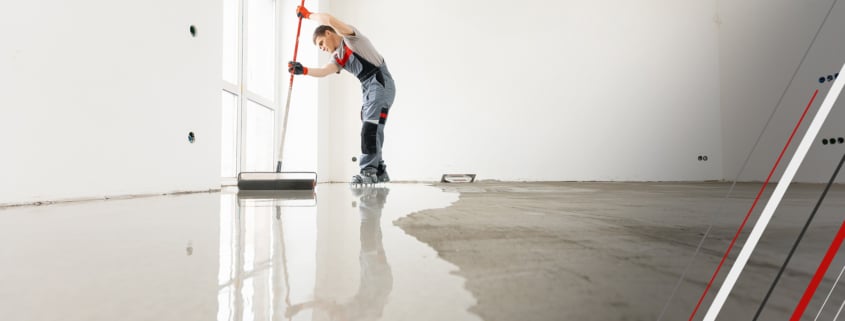
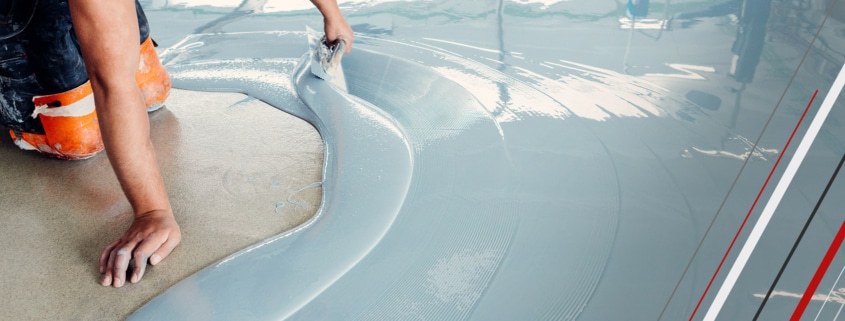
Traditional sand and cement screeds remain widely used for their versatility and strength. Flowing or liquid screeds offer faster installation and improved surface regularity, particularly for large areas or where underfloor heating is present. Fast-drying screeds suit programmes with tight deadlines, allowing earlier access and floor covering installation.
Industry guidance from organisations such as The Concrete Society outlines best practice for screed selection and installation. https://www.concrete.org.uk
Why Proper Floor Preparation Matters
Even the best screed will fail if the substrate is poorly prepared. Surface contamination, uneven bases, or incorrect primers can all compromise adhesion and performance.
Professional screeding contractors assess the sub-floor carefully before work begins. This often involves cleaning, applying bonding agents, and installing damp proof membranes where required. Correct preparation reduces the risk of cracking, debonding, and uneven finishes later in the project.
This stage often ties closely into wider Interior Fit Out and structural planning, particularly on commercial builds.
Screeding and Building Performance
Screeding is not just about appearance. It contributes to thermal performance, acoustic control, and structural stability. In multi-storey or mixed-use developments, screed performance affects noise transfer between floors and supports compliance with building regulations.
Where acoustic performance matters, screeding works alongside Acoustic Solutions to reduce impact and airborne sound. In buildings with fire strategy requirements, coordination with Fire Protection and Firestopping and Air Sealing systems also plays a role.
Guidance from the UK Government on building standards highlights the importance of compliant floor construction. https://www.gov.uk/guidance/building-regulations-and-standards
Coordinating Screeding With Other Trades
Screeding rarely happens in isolation. It sits within a sequence of works that includes structural floors, services installation, and follow-on trades.
Effective coordination with Dry Lining, Partitioning, and Raised Access Flooring ensures programme efficiency and reduces rework. Clear communication between contractors helps avoid issues such as damaged screeds or incompatible floor build-ups.
On residential projects, screeding often works alongside All Floor Coverings, making timing and curing periods especially important.
Common Screeding Mistakes to Avoid
Many issues seen on site stem from rushed or poorly planned screeding works. Inadequate curing time, incorrect mix ratios, and insufficient movement joints can all lead to cracking or surface defects.
Another common issue involves loading the floor too early. Even fast-drying screeds require controlled conditions to reach full strength. Understanding manufacturer guidance and site conditions helps prevent these problems.
Our recent news post on quality control in construction projects explores how early-stage decisions affect long-term outcomes. You can find out more information about screeding on The Advantages of Liquid Screed in Modern Construction blog post.
Why Experience Matters
Screeding requires technical knowledge, careful planning, and skilled installation. Experienced contractors understand how to adapt systems to suit site conditions, project timelines, and performance requirements.
By working with specialists, developers and contractors reduce risk and achieve consistent results across complex projects. This approach supports smoother handovers and better outcomes for end users.
Final Thoughts
At Broadsword, we deliver professional Screeding, supported by a full range of Interior Fit Out, Fire Protection, and specialist construction services.
To learn more or discuss support for your next project, visit our Broadsword Group services page or contact us to arrange a consultation with one of our experts.