dry lining

The Future of Commercial Interior Fit-Outs

As more and more businesses return to office based working, we’re noticing a lot more focus and consideration is being given to the workspace, and rightly so. In the ever-evolving landscape of commercial spaces, interior design trends play a pivotal role in shaping the functionality, aesthetics, and overall ambiance of work environments. Keeping abreast of the latest trends in commercial interior fit-outs is crucial for businesses looking to create dynamic and innovative spaces that meet the needs of their workforce. In this post, we’ll explore the trends shaping the future of commercial interior fit-outs.

  1. Flexibility is Key
    The trend toward flexible workspaces continues to gain momentum. Adaptable layouts, movable furniture, and modular designs are becoming staples in commercial interiors. This approach accommodates changing work dynamics, promoting collaboration, and catering to the growing popularity of hybrid work models.
  2. Biophilic Bliss
    Biophilic design, which incorporates natural elements into the workspace, is proving to be more than just a passing trend. From indoor plants and green walls to natural light optimisation, businesses are recognising the positive impact of biophilia on employee well-being and productivity.
  3. Sustainable Statements
    Sustainability isn’t just a buzzword; it’s a cornerstone of modern interior fit-outs. Businesses are opting for eco-friendly materials, energy-efficient systems, and waste reduction strategies to align with their corporate responsibility goals.
  4. The Hybrid Work Hub
    With remote work becoming a permanent fixture in many industries, commercial interiors are transforming into hybrid work hubs. Spaces are designed to seamlessly integrate remote and in-person collaboration, offering a harmonious blend of technology and flexible furniture solutions.
  5. Technology at the Forefront
    From smart office solutions to interactive meeting spaces, integrating the latest technology is a must for modern commercial interiors. Video conferencing capabilities, touch-less controls, and integrated communication systems are becoming standard features.
  6. Employee Well-Being Zones
    The emphasis on employee well-being has given rise to dedicated wellness zones within commercial interiors. Quiet spaces, meditation rooms, and ergonomic furniture contribute to creating environments that prioritize mental health and physical comfort.
  7. Branding Beyond Logos
    Beyond the conventional logo on the wall, companies are now using interior design to tell their brand story. Branded colors, custom graphics, and thematic design elements help create a cohesive brand identity within the workspace.
  8. Resimercial Revolution
    The resimercial trend, blending residential and commercial design elements, is redefining the traditional office aesthetic. Comfortable furniture, cozy breakout areas, and homely touches contribute to a more inviting and relaxed atmosphere.

As post-pandemic businesses evolve and working paradigms shift, the trends in commercial interior fit-outs will continue to adapt to meet the demands of the modern workforce. Whether it’s the pursuit of flexibility, sustainability, or employee well-being, the future of commercial interiors promises spaces that are not only aesthetically pleasing but also functional and conducive to productivity. Staying attuned to these trends ensures that businesses can create work environments that inspire innovation and foster a positive company culture.

If you would like to find out more about interior fit out options, please feel free to get in touch and arrange a consultation with our experts.

Heat Pump

Worlds First Bi-Valiant Heat Pump Ready Radiator

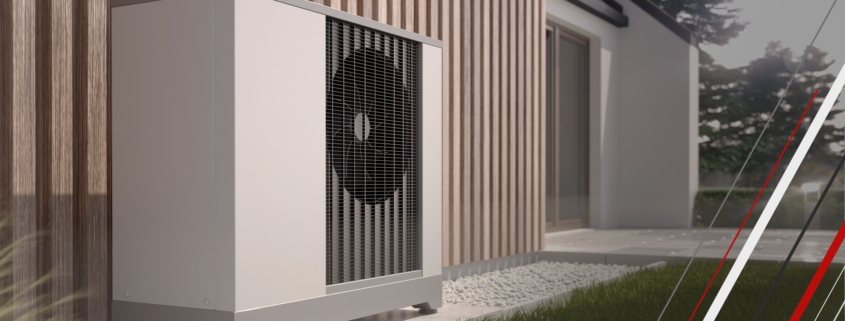
ThermAssured is the worlds first bi-vailant ‘dual fuel’ radiant panel heater that combines a wet and electric heating technology into a single emitter.

The UK lags behind the rest of Europe in the installation of heat pumps; especially on retro fit projects. This is mainly because the UK has the oldest housing stock in Europe (>30% built before 1944) and that there is always a concern that older proerties cannot be insulated well enough to be warmed properly by a heat pump.

As a result, heat pump installs are stagnating, and there is a growing number of press articles featuring disatisfied customers who are cold during the worst days of Winter.

ThermAssured provides for an additional heating element in the form of a fire-safe cable that can be activated when, and only when the room fails to reach the target tempertaure in a pre-detremined time scale.

This means that for 95% of the heating season, the heat pump does the ‘heavy lifting’ warming the house using renewable energy as intended. However, after a pre-deterimned time (usually 30 minutes for care homes and assisted living, and 60 minutes in regular residential) if the room has still not reached the target temperature, the back up electric fire safe element kicks in to ‘boost’ the temperature.

Once achieved, both systems can be switched off until the room calls for heat, in which case the process starts all over again.

This means that the eletcric heating is never on when the room is being heated correctly, but is there in the event of a bitter cold snap providing occupants with peace of mind that they wont be cold.

The electrical back up heating can be installed in the most important rooms only (such as main living room and the main bedroom) and not in any others if required.

The heatingt element is also available as an ‘upgrade option’ should the ThermAssured system be installed as a ‘wet’ system only to begin with.

It is therefore now possible for developers and housing providers to have more confidence using renewables, by installing a single heating emitter that can operate on a heat pump, with solar PV back up or mains electric providing an insurance against complaints of underheating.

Manufactured in the UK, THermAssured is launched at Construction Week 2023.


Screeding

Broadsword are an approved Flowcrete Installer

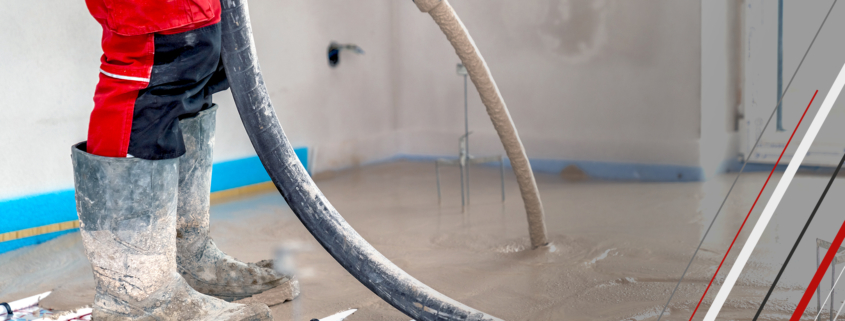
We are proud to announce that we have supplied, installed and handed over over 220,00m2 of Screed, Insulation and DPM in 2022!

This has been made possible by our exceptional management team and the fleet of 16 Putzmeister United Kingdom pumps.

2022 has also seen us become Flowcrete approved installers, allowing us to supply all isocrete specialist screed along with our traditional specialist flowing systems.

Flowcrete is a global manufacturer of high-quality flooring solutions, including epoxy and polyurethane resin flooring, industrial flooring, and car park decking systems. The company has over 35 years of experience in the flooring industry and operates in over 60 countries worldwide.

Flowcrete’s products are designed to meet the unique needs of a wide range of commercial and industrial applications.

There are several reasons why Flowcrete may be a good choice for flooring solutions in various commercial and industrial applications:

  • Durability: designed to withstand heavy foot traffic, chemical spills, and other types of wear and tear that can damage traditional flooring materials.
  • Safety: offer slip resistance, which is important in environments where safety is a top priority.
  • Hygiene: easy to clean and maintain, making them ideal for environments that require a high level of hygiene.
  • Customisation: offers a wide range of colours, patterns, and finishes, allowing customers to create a unique and visually appealing flooring solution that meets their specific needs.
  • Sustainability: committed to sustainability and offers flooring solutions that are eco-friendly and reduce carbon footprint.

This year we are looking to expand our operations, for all enquiries please contact richard@broadsword-group.co.uk or call us on 02380 675888.


fire

How does Passive Fire Protection work?

Passive fire protection (PFP) is an essential component of structural fire protection and fire safety in a building. PFP attempts to contain a fire or prevent the fire from spreading to other parts of the building by the use of fire-resistant walls, floors and doors. A fire protection system for any building will have the following:

  • Active Fire Protection – Manual or automatic fire detection or suppression
  • Passive Fire Protection – Compartmentalising the building with fire resistance walls and floors. Organising the building into smaller fire compartments prevents or slows the spread of fire from its origin to other spaces in the building. This will limit the potential damage to the building and it gives the building occupants time to initiate their emergency evacuation drill and for them to get to safety.
  • Fire Prevention – Minimising potential situations that a fire could break out and educating the occupants of the building on fire safety systems and how they should be maintained and emergency procedures including how to notify fire service response and emergency evacuation.

Any surface that is used for fire resistance is required to have a fire rating. Surfaces are rated by being fire tested where surfaces are exposed to temperatures upwards of 1100°C. Many of these tests are undertaken to test the survivability of the surfaces under realistic conditions.

A lot of Passive Fire Protection systems use many different materials in the design and construction of their systems. Most common endothermic building materials include calcium silicate board, concrete and gypsum wallboard. During fire testing, concrete slabs have been known to emit water as they boil and gypsum commonly loses all its strength when exposed to fire. The use of endothermic materials is established and proven to be sound engineering practice. The chemically bound water inside these materials sublimes. During this process, the unexposed side cannot exceed the boiling point of water. Once the hydrates are spent, the temperature on the unexposed side of an endothermic fire barrier tends to rise rapidly. Too much water can be a problem, however. Concrete slabs that are too wet, will literally explode in a fire, which is why test laboratories insist on measuring water content of concrete and mortar in fire test specimens, before running any fire tests.

PFP measures also include the use of intumescent (a substance that swells under heat exposure) or ablative materials. Any of these surfaces on their own would not be effective against exposure to fire and so need to be organised into a highly effective system that is subject to rigorous testing at multiple times.

Passive Fire Protection is designed to contain the fire in its place of origin, preventing the spread of fire and smoke for a limited amount of time. Firestops, fire walls and fire doors undergo the above-mentioned fire testing and fire resistance is usually determined in how many hours these particularly materials can contain the fire for. Their certification will provide the limitations that are present with these materials.

Unlike Active Fire Protection, Passive Fire Protection does not usually involve any form of activation or degree of motion with the exception of fire dampers and fire door closers which must move, open and shut in order to function as well as all intumescent products which rely on swelling to operate effectively.

There are mainly two types of Passive Fire Protection; intumescent and vermiculite. With vermiculite protection, the structural steel members are covered in a thick layer of hydrous phyllosilicate mineral that undergoes significant expansion when heated. This is a cheaper option to the intumescent materials but is not aesthetically pleasing. Furthermore, if the environment is corrosive, then the vermiculite is not advisable as there is a possibility of water seeping into it and will make it difficult to monitor corrosion. Intumescent fire protection is a layer of paint with a coating system along the structural steel members. The thickness of this coating depends on the steel section used. Intumescent coating is relatively low in thickness which makes it more pleasing to the eye and produces a nice finish with an anti-corrosive nature.

In the event of a fire in a building, the steel structure will eventually collapse once the steel hits its critical core temperature of around 550°C. Passive fire protection will delay this by creating a layer between the steel and the fire. This can potentially add another 2 hours to the integrity of the structure saving lives and damage to property inside the building.

If you require a competent fully accredited fire protection company, you have just found it! Broadsword Fire Protection LTD welcomes your enquiries.


air sealing

What is air sealing?

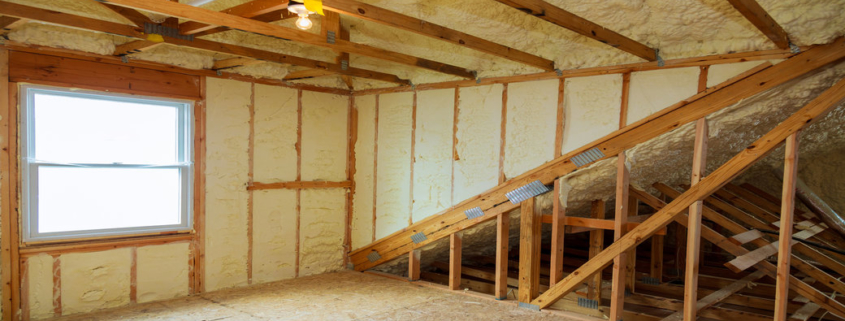
Air sealing is the process of restricting air movement through tiny cracks and gaps in your business or residential property. When you run heating or ventilation in your home this builds pressure. If leaks and gaps are present it can transfer conditioned air to the outside reducing efficiency. Air leakage can account for around 30% of heating costs. Air sealing prevents the loss of this conditioned air by filling in the tiny cracks and gaps.

A massive amount of energy is wasted due to the air leaking from cracks, holes and gaps at your property. This can cause several issues including increased risk of condensation and cause health risks caused by damp and drafts. Broadsword can work with you to inspect and plan the repair of these cracks and gaps to ensure your property is airtight.  Doing so can also have a monetary savings on your heating bills as air sealing is proven to reduce energy costs.

How Air Leakage Affects your business or residential property?

Air leakage not only affects energy loss but also contributes to property deterioration. Obvious air leakages will be easy to spot and easily resolved; however, hidden air leakages are the root problem and can be harder to find and treat. Air that leaks must be replaced and is usually drawn in from the ground. If you don’t have an effective vapour barrier, moisture can be absorbed causing mould development, water damage or animal infestations. Moisture can enter your property using the tiniest gaps. This can aid in the damage of your properties foundations.

How to Air Seal your Home?

Here is a brief breakdown of how a home is air sealed:

  • Loft Air Sealing – Any hole made in your ceiling is called a thermal bypass or an air leak. This extends to lights, fans, plumbing stacks and chimneys. Most of these holes can have foam sprayed into them; however, items like chimneys and recessed lights require more specialist methods.
  • Plug Outlet Air Sealing – The simplest method of air sealing an outlet is to use foam backers behind outlet covers and child proof plugs to prevent air coming out the holes.
  • Basement and Crawlspace Air Sealing – There are a lot of possible leakage spots in the basement. When looking to air seal your business or residential property, the basement should be your priority. Rim joists and the sill plate that it sits on can be a major leakage point and can have a lot of holes surrounding it. These are usually filled with caulk or foam.

What are the Benefits of Air Sealing?

  1. Energy Efficiency – The energy consumption of your commercial or residential building usually depends on the age of it. New properties are built with energy efficiency in mind, whereas older properties can tend to use a lot more. Both new and old properties can benefit from air sealing but the changes in efficiency to older houses can be dramatic with anything up to a 50% saving on energy expenses.
  2. Increase of Indoor Air Quality – Fresh outdoor air is a good way of increasing indoor air quality; however, this should be controlled using a ventilation system and not through cracks and gaps. These gaps are uncontrolled and can carry moisture, pollution and allergen into your property causing a whole host of problems including medical issues like asthma and allergies.
  3. Prevent Mould Deterioration Around your Property – Mould spores travel through the air and can be traced pretty much anywhere. They can be taken along by the wind and end up in all sorts of nooks and crannies of your property including attics, basements and crawl spaces. If the tiny cracks and gaps aren’t filled and these spores mix with the moisture that has infiltrated into your property mould will begin to appear in these spaces. Air sealing maintains these areas of your property causing them to be dry and prevent the spread of mould.
  4. Increased Comfort – Cracks and gaps in your property can cause drafts, noticeable temperature differences in rooms and cold floors and walls. This can create a very unpleasant environment which can be made infinitely better by air sealing.
  5. Prevents Property Deterioration – Toxins, pollution and mould can all impact on your property’s foundations. Air sealing will prevent all of these particles from entering your loft and crawl spaces causing water damage, vermin infestations and mould development.
  6. Cost Effective – Air sealing repairs can start saving you money as soon as it’s done. Your energy bills can improve, along with your air quality and your peace of mind that you will not need to pay out on unnecessary repairs due to air leakage.

To book an inspection with our fully qualified and insured team contact Broadsword on 02380 675 888. The team will be able to talk through your concerns and arrange an inspection at your commercial or residential property.

FIRAS

Broadsword launch Fire Protection Arm

We are proud to announce that we have launched a new Fire Protection Arm of the Company.

Broadsword are experts in fire protection and are FIRAS accredited.

Most companies do not realise that they need fire protection and if they do, they don’t know where they can get it.  

Broadsword Fire Protection LTD can make sure that your building is protected from fire, we can also retrospectively assist with existing buildings.

Building regulations outline the need for large buildings to be divided into compartments and specifies the level of fire performance the compartment walls and floors need to achieve in order to preserve both building structure and life through fire and smoke containment.

In most buildings, mechanical and electrical services by necessity breach compartment walls and floors allowing failure of integrity and insulation to occur where gaps around services have not been adequately fire stopped. The use of correctly installed certified fire stopping systems will contain a fire at its source and limit the risk of the destruction caused by the spread of fire and the release of toxic gasses.

If you require a competent fully accredited fire protection company, you have just found it!

Broadsword Fire Protection LTD welcomes your enquiries.